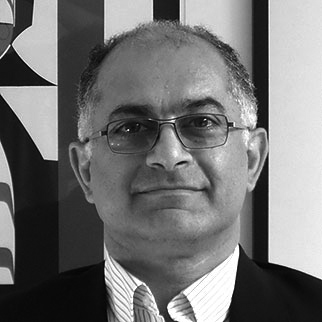
Hadi Dowlatabadi
Professor Emeritus
hadi.d@ubc.ca
Home department: Institute for Resources, Environment and Sustainability
Website: http://blogs.ubc.ca/dowlatabadi/welcome/
Research Projects
- Energy & Climate Change: Hadi is interested in energy poverty and carbon footprints. When it comes to decarbonizing the built environment, the dysfunction in management of transition at various levels of government needs to be addressed. There is a need for realistic multisector responses that include many other elements of global change beyond climate.
- Environmental Protection & Development: Environmental protection is only meaningful when total exposure to harm can be held below an acceptable level of impact. New projects should only be possible if there is room to pollute without violating that threshold. Guiding questions include: How are criteria for evaluating new projects set? How are these monitored and are violations punished? Should we be rethinking what cumulative effects assessment means?
- Carsharing: Hadi and his students examine whether one-way carsharing reduces car ownership; if one-way carsharing improves access to public transit or if serves as a substitute for public transit; and how carsharing can reduce GHG emissions.
- The Built Environment: High performance buildings perform so poorly; Hadi and team ask why this is the case. They also ask whether Integrated Project Delivery provides a better platform for building better buildings. Research also focusses on how the City of Vancouver can reduce the barriers to existing buildings for meeting their zero emissions target.
- Assuming responsibility for intergenerational transfers: Our physical, cultural, legal and ecological environment is a cumulative legacy of past generations. Our actions modify these and pass them on to future generations. Most people living in richer countries have no appreciation of how they came to be so fortunate, at the cost to those living poorly in their own vicinity and beyond. Colonialism, climate change and cultural tsunamis are all such legacies. Do we recognize what led to our good fortunes? Are we willing to redress impacts from past actions?